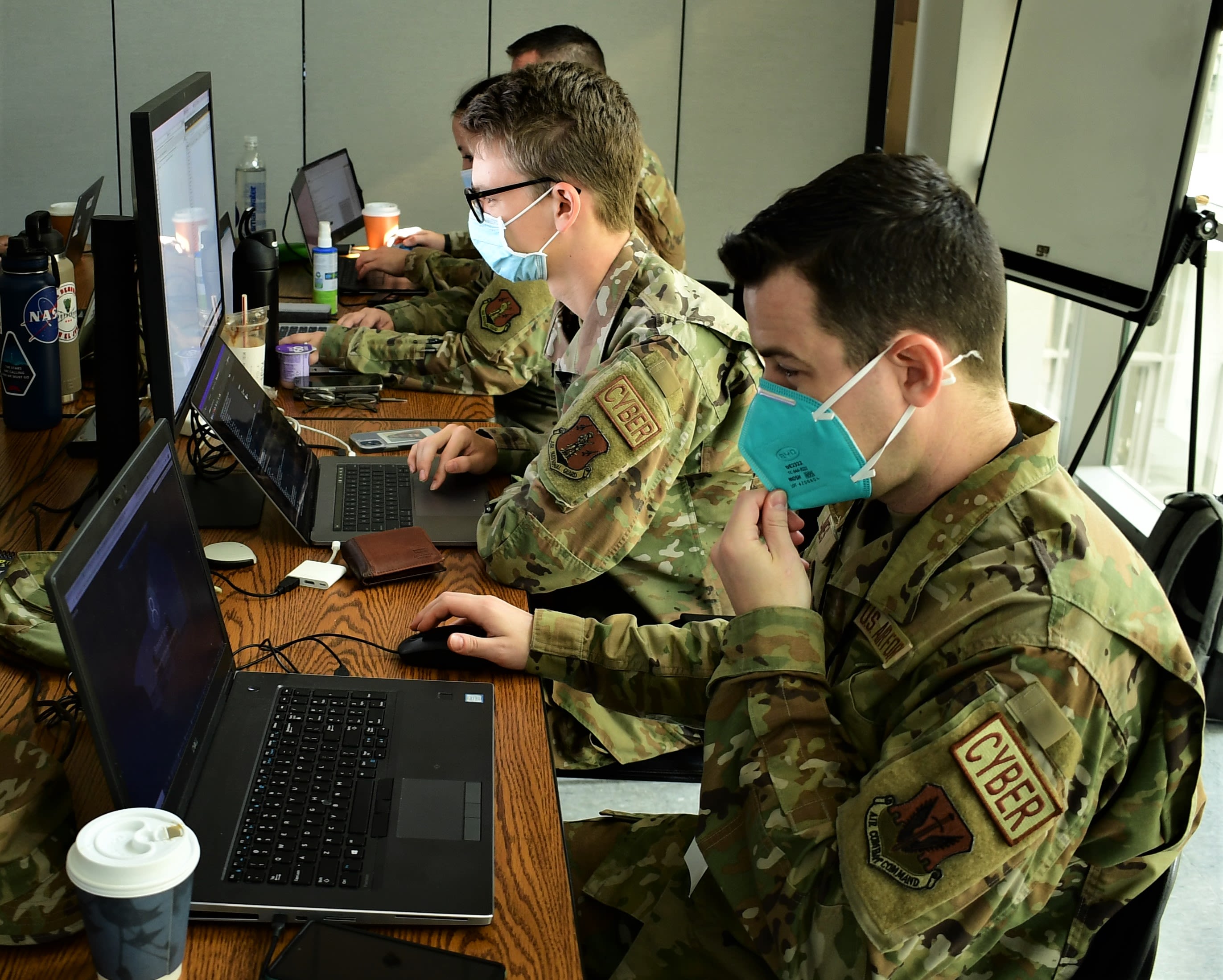
Military Cyber Test - The military is working hard to test and develop a number of defensive network devices designed to defend tactical networks. (US Armed Forces)
WASHINGTON - The U.S. military is testing whether lab-developed technology to protect tactical networks and ensure secure data transmission can survive real-world conditions.
Military Cyber Test

Given the composition of the military's tactical network, these tools differ from traditional methods of cyber defense. Unlike static corporate networks, where servers are located in air-conditioned buildings and have virtually constant connectivity, tactical networks must be mobile and distributed. This would add to the military's goal of allowing formations to shift positions more frequently, sometimes more than once an hour, in response to the adversary's new tracking technology.
Second Lt. Nic Cincotti, Command And Control Test Manager, 46th Test Squadron, Detachment 1, Speaks To Other Members Of The Detachment About The Support The Group Provides To Program Offices At Hanscom
Therefore, a tactical network must be easy to assemble and disassemble. It also doesn't get the same bandwidth, connections, and cloud capabilities as a corporate network.
The tools being tested by the Network Modernization Experiment, or NetModX, include technology that can independently detect network anomalies, assist network defenders, and ensure the integrity of information and data transmitted from one user to another.
NetModX is focused on maturing these science and technology efforts of the program's Command, Control, and Communications Office for use in tactical network modernization, primarily at the command center from the regimental to battalion level and below. This trial will help procurement authorities determine which architectures and systems to purchase.
One of the technologies being tested is an autonomous network, said Frank Geck, director of autonomous networks at the Combat Capabilities Development Command, Control, Communications, Computers, Networks, Intelligence, Surveillance and Reconnaissance Center.
U.s. Navy Cyber Warfare Engineer Careers
"Some of the main goals of autonomous networks are to proactively protect the network at machine speed from advanced cyberattacks, attacks from near-end adversaries, and to protect autonomous decision-making systems, our [artificial intelligence] and machine learning," Geck said in August. In an interview on the 19
As part of this effort, Geck said the C5ISR Center is exploring and demonstrating machine learning at the tactical edge.
"Generally, as you'll see in an enterprise environment, this is typically done more in a 'bring all the data to the cloud' environment," he said. “In our particular case, because the network doesn't support something like that, because of the bandwidth, we're trying to do machine learning at the tactical edges and demonstrate that here.
Geck described some of these efforts as human-machine collaboration, where developers incorporate humans into the decision-making process, although machine learning capabilities are designed to help cyber defenders on tactical battles.
The Army's Cybersecurity And It Careers
Another key technology that NetModX is testing is called information trust. It is a software system designed to improve data security.
In other words, it increases the awareness of information from its creation to the point where it reaches consumers, said Wendy Choi, chief information security officer at the C5ISR Center. This allows users and consumers to track changes to this data and see where those changes occurred.
This is especially important as adversaries have demonstrated their penchant for not only stealing and destroying data once they gain access to networks, but also for altering data to compromise effective decision-making. After all, officers must be able to trust the data they collect over the Internet.
At NetModX, the military is also testing commercial blockchain technologies to assess their applicability in this tactically degraded environment, Choi added.
National Cyber Range (ncr)
Following the bug, the Marine Corps added a communications capability to the ACV variant. The command and control of the ACV initially lacked adequate long-range secure communications, which were added later when the vehicle entered the field.
L3Harris Delivers Experimental Navigation Satellite The delivery brings the lab one step closer to conducting the first US positioning, navigation and timing experiment in nearly 50 years.
Generative AI like viral chat GPT lands on DISA technology watch list. An Air Force official says the military must "automate more" to maintain dominance in a world of advanced computing and rapid decision-making.
The US foreign military sales process requires better communication. Allies often do not know what they need to solve their problems or what the United States has to offer.
Army Cyber Skills Challenge: Identifying The Army's Top Cyber Warriors
Warren to FTC: End L3Harris-Aerojet deal, revoke Northrop-Orbital ATKSen. Elizabeth Warren asks federal regulators to oppose one defense merger and cancel another. Pentagon's cybersecurity testing is unworkable, not rigorous enough: report "Cybersecurity must be incorporated into system design, and human defenders should be incorporated early in program priorities for cybersecurity engineering and systems provisioning and training," says the Pentagon's chief examiner.
Captain Sarah Miller and technicians. sergeant Carrol Brewster of the 834th Cyber Operations Squadron discusses the response phase while filming scenes for an Air Force Reserve Command video at Joint Base San Antonio-Lackland, Texas, June 1, 2019. Options for a cyber attack. (US Air Force photo by Major Christopher Vasquez)
WASHINGTON: A lack of hands-on threat testing and an underfunded program office are at the root of many cybersecurity problems that put critical Defense Department missions at risk, according to a new report from the Pentagon's Test and Evaluation Agency.
In a new report released Thursday, the Pentagon's director of operational test and evaluation (DOT&E) said the Defense Department should focus its cybersecurity efforts on cybersecurity personnel rather than primarily focusing on cyber tools, network and systems-related technologies and training them in facing more real threats earlier in the process.
Air Force Reserve
Currently, cybersecurity "red teams" are too thin, and those testing military systems are doing so with one hand tied behind their back compared to real adversaries, the report said.
"The most common vulnerabilities include insufficient time by cyber attackers online, limited toolsets, flawed [methods, techniques, and procedures], unrealistic rules of engagement, and the lack of a coherent overall plan for cyber threat campaigns, The DOT&E report referred to the Department of Defense's ability to "simulate " sophisticated threat attacks.
The report found that cybersecurity issues were the most common issue in the "effectiveness" of all programs evaluated by DOT&E. Topics include the challenges of operating in a contested EW environment and threats specific to system design, among other issues.
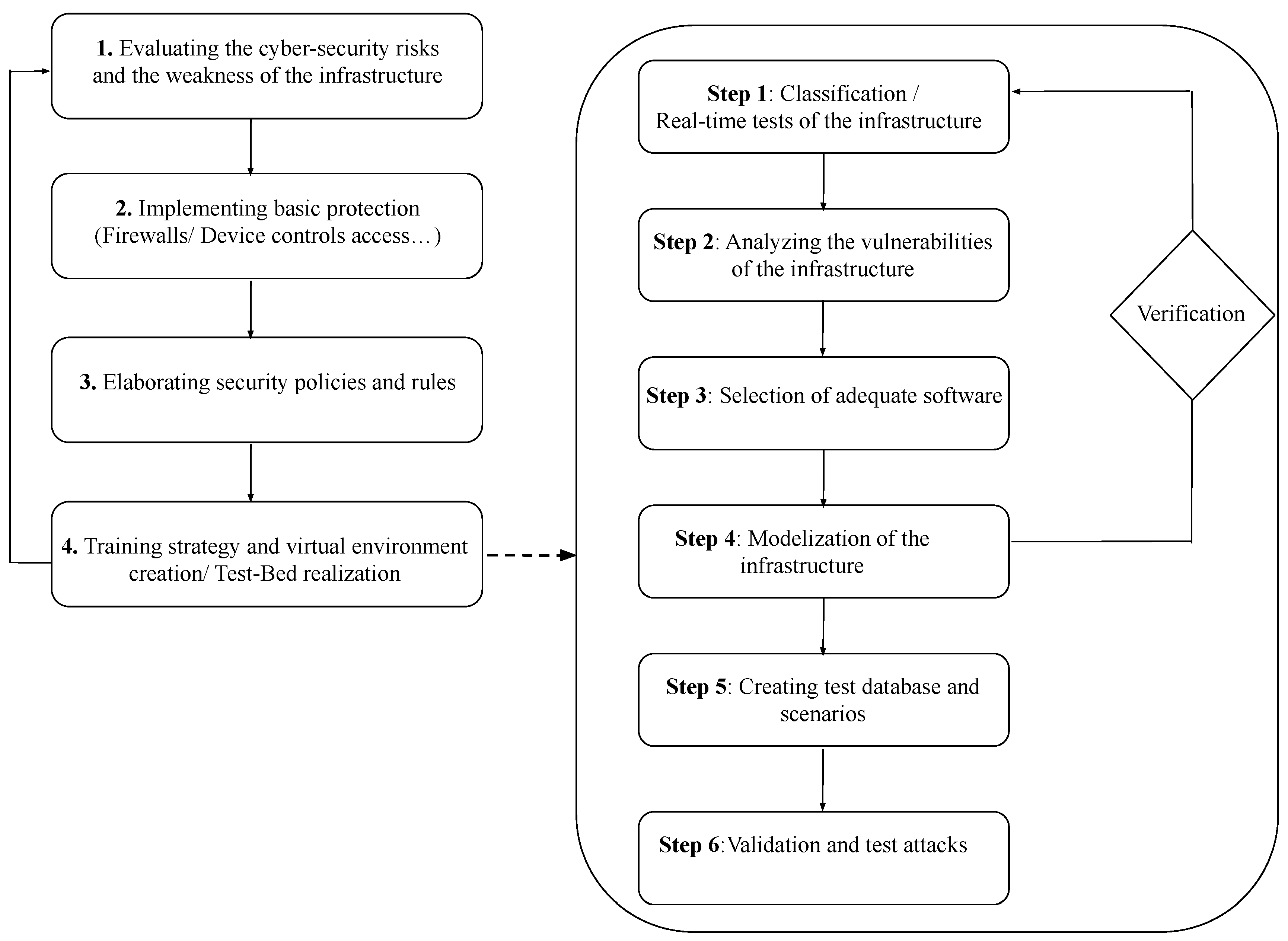
"Cyber security must be integrated into system design, and human defenders should be incorporated early in the plan's priorities for cyber defense engineering and system provisioning and training," the report says. "Cyber defenders can and should include mission defense teams, system users, response teams, officers and servers, all of whom should be trained and equipped to respond to cyber attacks to perform critical missions."
The Us Is Unprepared For Space Cyberwarfare
Current procurement practices make it impossible to fund dedicated program offices that could help ensure the effectiveness of cyber technology and ensure that cyber operators are prepared to receive training consistent with mobile warfare operators, the report said.
“To improve its cybersecurity posture and avoid the costly cybersecurity technology failures that DOT&E regularly encounters in our cyber assessments, DoD must ensure that cybersecurity technology development is continuously conducted by well-resourced program offices; this should include the highest levels of cyber engineering expertise and cyber defense expertise,” the report said.
DOT&E provided its own red network team in 2021, conducted 45 audits of operational networks and projects, finding inadequate training of network personnel and inadequate testing plans.
With DoD missions at risk, the report says military exercises should place more emphasis on training in contested cyber environments. DOT&E is working with the Joint Staff to incorporate realistic "cyber stress" into major training exercises.
National Cyber Range Complex Charleston And Niwc Atlantic Fosters Collaboration Through Cybersecurity Simulation Exercises
"However, DoD red teams are stretched by high demand and do not have the resources or personnel needed to routinely simulate complex close-in attacks," the report said. "Cyber red teams need additional resources and automation capabilities to ease their workload. DOT&E will continue to encourage DoD to address critical red team capability gaps to improve [combatant command] assessment and testing of cyber operations."
The assessment also found that DoD's cyber concerns increasingly mirror those of the commercial sector due to its growing reliance on commercial products and infrastructure, particularly cloud services. The report recommends that the Pentagon renegotiate contracts with commercial cloud companies and set requirements for future contracts.
"The Department of Defense is increasingly using commercial cloud services to store highly sensitive classified data, but current contracts with cloud providers do not allow the Department of Defense to independently assess the security of vendor-owned cloud infrastructure, preventing the Department of Defense from thoroughly evaluating commercial clouds." Current and future contracts must have independent DoD commercial cloud security assessments for threat realities to ensure critical data is protected."
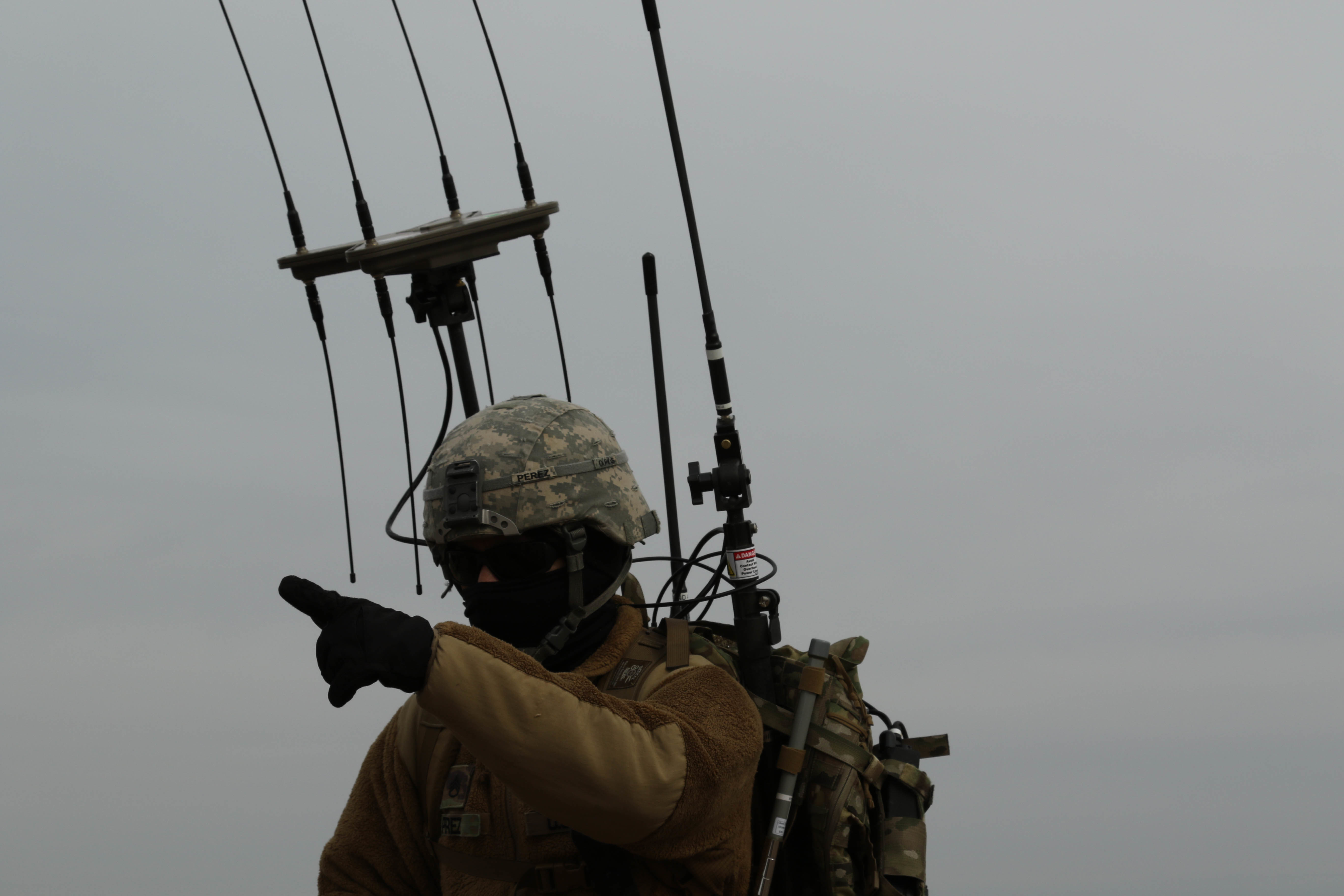
The Pentagon's defense innovation arm recently announced several cyber-focused projects awarded to the commercial sector in fiscal year 2021, including a prototype cyber decoy to warn of hostile activity, a cyber asset inventory system and a prototype commercial threat data for the US Cyber Command. .
New Army Cyber Gear For Drones And Teams Test, Protect Units In Another Domain
DOT&E led a team of cyber experts at the request of the DoD Chief Information Officer to develop machine learning tools and methods, techniques and procedures to analyze DoD cyber traffic data. Results were sent to the Defense Chief Information Officer, the Office of the Minister of Defense and the project's partners, the report says.
Pentagon deploys AI team in FY22